Stocks

As equity investments that represent a share of ownership in a company or entity, stocks are one of the best investment avenues for long-term investors. These can be traded in a marketplace called the ‘Stock Market’, where all trades are done electronically.
Fixed Deposit
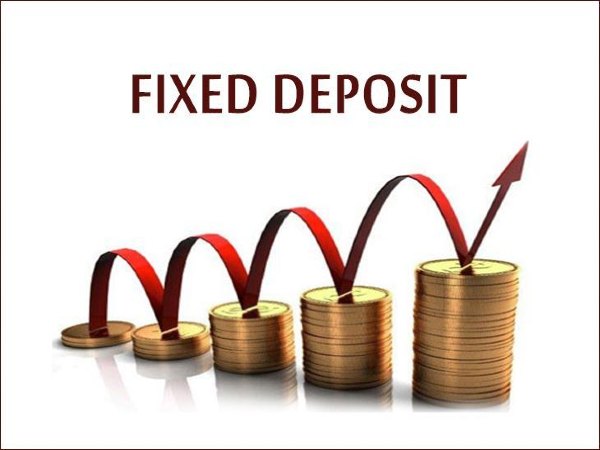
For investors looking for lucrative returns with lowest risk, Fixed Deposit (or FD) is one of the best investment avenues. By investing in a Fixed Deposit, you can get assured returns at fixed intervals of time. This investment avenue is one of the most preferred options in India, due to the convenience and flexibility it offers. Even investors with high risk appetite choose to invest in FD to diversify their investments and stabilize their portfolio.
Mutual Funds

These are collective investment vehicles managed by a fund manager which pools people’s money and invests in stocks and bonds of various companies and create a return. With the convenience of low initial investments, mutual funds are volatile investment avenues, that are best suited for medium-risk investors.
Senior Citizen Savings Scheme

As a government-sponsored scheme for individuals above 60 years of age, Senior Citizen Savings Scheme is a great long-term saving option for retirees. It is a great option to get steady and secure income, and senior citizens can get a high and steady rate of interest, as prescribed by the government from time to time.
Public Provident Fund

Public Provident Fund is one of
the most common and trusted investment plans in India. It pays interest
rate annually and requires a minimum investment amount of Rs 500 per
annum. It has a life of 15 years with partial withdrawals allowed of the
corpus at various points. This option also pays a high and steady rate
of interest as prescribed the government from time to time.
Debt mutual fund schemes are suitable for investors who want steady returns. They are less volatile and, hence, considered less risky compared to equity funds. Debt mutual funds primarily invest in fixed-interest generating securities like corporate bonds, government securities, treasury bills, commercial paper and other money market instruments.
However, these mutual funds are not risk free. They carry risks such as interest rate risk and credit ..
Debt mutual fund schemes are suitable for investors who want steady returns. They are less volatile and, hence, considered less risky compared to equity funds. Debt mutual funds primarily invest in fixed-interest generating securities like corporate bonds, government securities, treasury bills, commercial paper and other money market instruments.
However, these mutual funds are not risk free. They carry risks such as interest rate risk and credit ..
https://economictimes.indiatimes.com/wealth/invest/top-10-investment-options/articleshow/64066079.cms?utm_source=contentofinterest&utm_medium=text&utm_campaign=cppst
Debt mutual fund schemes are suitable for investors who want steady returns. They are less volatile and, hence, considered less risky compared to equity funds. Debt mutual funds primarily invest in fixed-interest generating securities like corporate bonds, government securities, treasury bills, commercial paper and other money market instruments.
However, these mutual funds are not risk free. They carry risks such as interest rate risk and credit ..
Debt mutual fund schemes are suitable for investors who want steady returns. They are less volatile and, hence, considered less risky compared to equity funds. Debt mutual funds primarily invest in fixed-interest generating securities like corporate bonds, government securities, treasury bills, commercial paper and other money market instruments.
However, these mutual funds are not risk free. They carry risks such as interest rate risk and credit ..
https://economictimes.indiatimes.com/wealth/invest/top-10-investment-options/articleshow/64066079.cms?utm_source=contentofinterest&utm_medium=text&utm_campaign=cppst
Debt mutual fund schemes are suitable for investors who want steady returns. They are less volatile and, hence, considered less risky compared to equity funds. Debt mutual funds primarily invest in fixed-interest generating securities like corporate bonds, government securities, treasury bills, commercial paper and other money market instruments.
However, these mutual funds are not risk free. They carry risks such as interest rate risk and credit ..
https://economictimes.indiatimes.com/wealth/invest/top-10-investment-options/articleshow/64066079.cms?utm_source=contentofinterest&utm_medium=text&utm_campaign=cppst
Debt mutual fund schemes are suitable for investors who want steady returns. They are less volatile and, hence, considered less risky compared to equity funds. Debt mutual funds primarily invest in fixed-interest generating securities like corporate bonds, government securities, treasury bills, commercial paper and other money market instruments.
However, these mutual funds are not risk free. They carry risks such as interest rate risk and credit ..
https://economictimes.indiatimes.com/wealth/invest/top-10-investment-options/articleshow/64066079.cms?utm_source=contentofinterest&utm_medium=text&utm_campaign=cppst
Debt mutual fund schemes are suitable for investors who want steady returns. They are less volatile and, hence, considered less risky compared to equity funds. Debt mutual funds primarily invest in fixed-interest generating securities like corporate bonds, government securities, treasury bills, commercial paper and other money market instruments.
However, these mutual funds are not risk free. They carry risks such as interest rate risk and credit ..
Debt mutual fund schemes are suitable for investors who want steady returns. They are less volatile and, hence, considered less risky compared to equity funds. Debt mutual funds primarily invest in fixed-interest generating securities like corporate bonds, government securities, treasury bills, commercial paper and other money market instruments.
However, these mutual funds are not risk free. They carry risks such as interest rate risk and credit ..


No comments:
Post a Comment